
You want to see more birds. More cardinals, more blue jays, more finches. The solution isn’t just more seedit’s a smarter feeder. A large capacity wild bird seed feeder changes the game, turning your backyard into a bustling avian destination with less frequent refills. It’s about consistent hospitality for your feathered guests.
Think of it as the cornerstone of a serious birdwatching setup. These aren’t your standard tube feeders. We’re talking about hopper capacity measured in pounds, designs built for endurance, and features that keep the seed dry and accessible. For a reliable option that ticks many of these boxes, many enthusiasts have had great success with the HouseSapp Bird Feeders. It’s a solid example of a high-capacity design that prioritizes durability and ease of use.
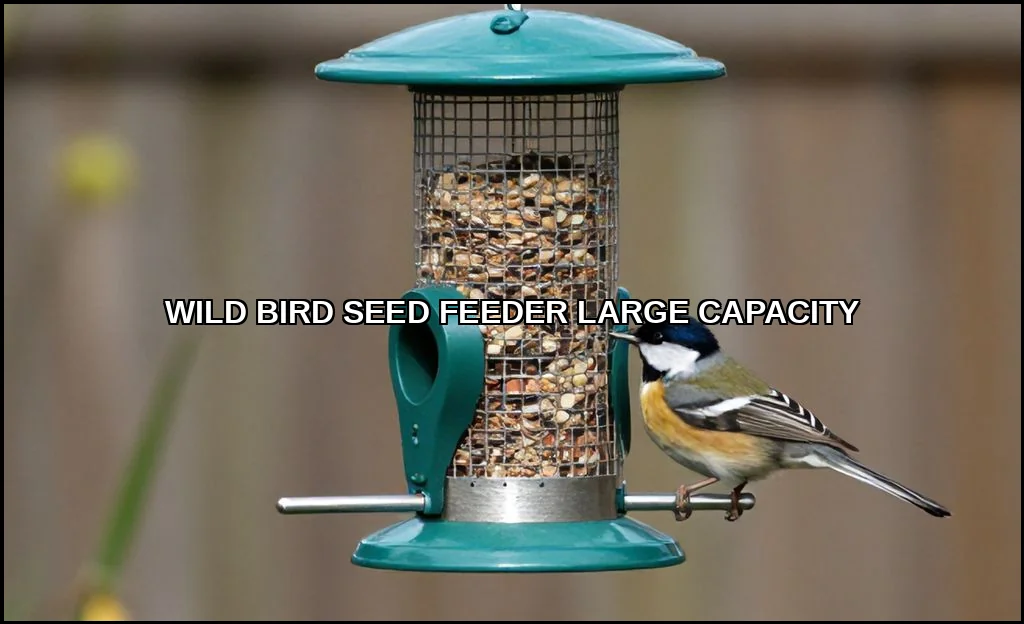
What is a Large Capacity Wild Bird Feeder?
Simply put, it’s a feeder engineered for volume and efficiency. Often called an extra large bird feeder or jumbo wild bird feeder, its primary job is to hold a substantial amount of seedanywhere from 3 to 10+ pounds. This bulk bird seed feeder approach minimizes your trips to refill, which is especially crucial during harsh weather or peak migration periods when birds need reliable calories.
These feeders typically fall into a few key product categories. Hopper feeders are the most common for large capacity, using gravity to dispense seed from a central reservoir. Tube feeders can also be high-capacity, especially models with wide diameters and multiple feeding ports. There are also large platform feeders, though they offer less protection from the elements. The best choice often blends the seed-holding power of a hopper with the accessibility of a tube.
Key Features to Look For
Not all large feeders are created equal. To get real value and avoid frustration, you need to scrutinize the specs. Heres your checklist.
1. Durability and Weather Resistance
This is non-negotiable. A heavy duty construction is what separates a seasonal feeder from a year-round workhorse. Look for thick, weather resistant plastics, powder-coated metals, or rust-proof alloys. In windy areas, a low center of gravity and sturdy hanging hardware are a must. This is where brands like Aspects and Droll Yankees have built their reputations.
Don’t forget drainage holes. A sealed base will pool water, ruining seed and fostering mold. Proper drainage is a simple feature that dramatically extends seed life and bird health.
2. Intelligent Pest and Waste Management
Squirrels and seed waste can bankrupt your bird-feeding budget. True squirrel proof or squirrel resistant mechanisms are key. This might mean weight-activated perches that close access (like Brome Bird Care’s Squirrel Buster technology), chew-proof metal cages, or baffled poles. For a large capacity bird feeder that squirrels can’t chew, metal ports and reinforced construction are your best bet.
A no waste design is equally important. This often involves seed-catching trays or mesh that allows birds to pick preferred seeds while letting inedible hulls fall away, keeping the feeding area cleaner.
3. Functionality for You and the Birds
A transparent hopper is a small feature with a big impact. It lets you monitor seed levels at a glance without disturbing birds. Easy to clean design is another huge time-saver. Look for feeders that disassemble quickly without tools, have wide openings for scrubbing, and lack hard-to-reach corners where grime builds up.
Finally, consider the ports. More multiple feeding ports mean less bird squabbling and more simultaneous visitors. Adjustable perches or ports can also help you control which species dine, favoring larger birds like Northern Cardinals or excluding smaller ones if desired.
| Feature | Why It Matters | Ideal For |
|---|---|---|
| Metal Seed Ports | Prevents chewing damage from squirrels, woodpeckers, and larger birds. | Areas with high squirrel or woodpecker activity. |
| Seed Tray / No-Waste Mesh | Catches falling hulls and spilled seed, reducing mess and attracting ground feeders. | Neat gardens and for attracting doves, juncos, or towhees. |
| Quick-Clean Base | Removable bottom or wide opening for fast washing. | Busy bird lovers who need to maintain hygiene quickly. |
Top Benefits for Your Backyard Birds
A reliable, large feeder does more than just convenience you. It creates a stable ecosystem. During winter freezes or summer droughts, a consistent food source can be a lifeline. It supports local birds through energetically costly times like nesting and molting.
It also turns your yard into a birdwatching hotspot. A high capacity bird feeder acts as a constant attractant, letting you observe daily routines, social hierarchies, and even rare visitors. You’ll get to know individual Northern Cardinals or boisterous Blue Jays. For an even closer look, you might consider one of the best birdhouses with cameras to complement your feeder setup.
by offering the right seeds in a clean, abundant feeder, you directly support bird health. This is a tangible way to contribute to conservation in your own space. For the latest research on bird health and behavior, consulting an authority guide like the Cornell Lab of Ornithology is always a smart move.
Attracting Specific Species with Seed and Placement
Heres a nuance many miss: capacity alone won’t attract the birds you want. You must pair it with the right seed and location. For a large capacity bird feeder for cardinals, fill it with black oil sunflower or safflower seeds. Cardinals love these, and safflower has the added benefit of being less attractive to squirrels and blackbirds.
Placement is everything. Finches feel safe near dense shrubbery. Woodpeckers prefer a feeder attached to a solid tree or post. Consider your regional climate, too. In rainy areas, prioritize feeders with superb drainage and wide overhangs. In windy coastal or plains regions, that heavy duty large bird feeder for windy areas needs a stout, sheltered mounting point.
Installation Tips and Best Locations
Installing a commercial-grade feeder requires a bit more thought. It’s heavier, holds more value, and is a bigger target for pests.
- Choose a Secure Mount: A dedicated shepherd’s hook or pole system is better than a thin tree branch. Use a squirrel baffle on the poleit’s the most effective single deterrent.
- Prioritize Safety: Place feeders about 10-12 feet from protective cover (like bushes) but at least 5 feet off the ground to deter cats. Keep windows safe by placing feeders either within 3 feet of the glass or more than 30 feet away.
- Think About Your View: Install it where you can easily see it from a favorite window! This is the whole point, after all.
Cleaning and Maintenance Guide
Neglecting this is the #1 reason feeders fail and birds get sick. A large feeder needs a routine. Heres how to clean a large wild bird seed feeder effectively.
- Frequency: Clean every two weeks, minimum. In warm, humid weather, weekly is better. Empty old, clumped seed before refilling.
- The Process: Disassemble completely. Scrub all parts with a bottle brush in a solution of one part white vinegar to nine parts hot water (or a mild dish soap). Avoid harsh chemicals. Rinse thoroughly and let it air-dry completely before refilling. Moisture is the enemy.
- Ground Patrol: Regularly rake up spent hulls and spilled seed beneath the feeder to prevent mold and deter rodents. This is a critical step in a true no-waste system.
Disease prevention is part of responsible feeding. Understanding how illnesses spread at feeders is key, which is why reading about does bird flu affect birds and other ailments can inform your cleaning schedule.
Choosing the right large capacity feeder is an investment in your hobby and in your local wildlife. Its not just about buying the biggest one. It’s about selecting a weather resistant, easy to clean, and squirrel resistant partner that will deliver seasons of reliable service. Match it with quality seed, smart placement, and diligent care. Your reward will be a vibrant, healthy backyard flock that provides endless fascination right outside your window.
