
You’re looking at your feathered friend, wondering if you’ll ever have a real conversation. Will my parrot ever talk? It’s a question every new parrot owner asks. The answer isn’t a simple yes or no. It depends on a unique blend of species, personality, and your own dedication.
Some parrots become chatterboxes, while others prefer to communicate in different ways. This guide will walk you through what to realistically expect. We’ll cover the key factors, proven training methods, and what to do if words never come. Your journey to understanding your parrot’s voice starts here.
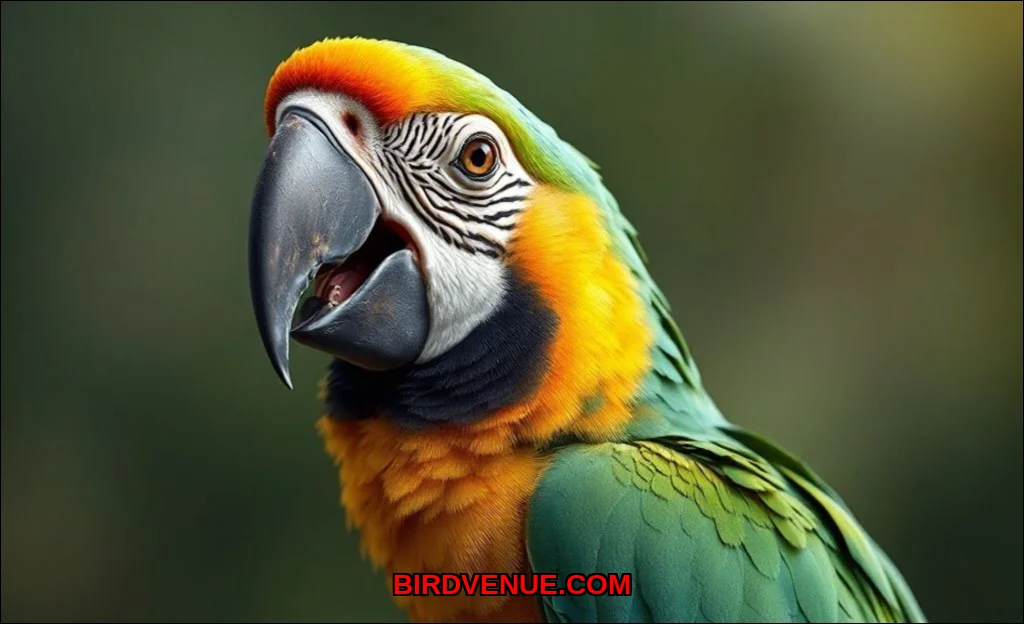
Understanding If and When Your Parrot Might Talk
Parrots don’t talk like humans. They mimic sounds from their environment, a skill tied to their complex social nature in the wild. This mimicry ability is how they learn words, whistles, and household noises. The age when a parrot starts this vocal learning varies. Many begin experimenting with sounds between 6 months and 2 years, but this is just the start of their parrot talking age.
Can all parrots learn to talk? No. While many species have the physical capability, individual interest varies wildly. Think of it like a child’s aptitude for music. Some are naturally inclined, others are not. Your job is to create an environment that encourages this natural ability if it exists.
Key Factors That Influence a Parrot’s Talking Ability
Several elements determine your success. Ignoring any one can stall your progress.
- Species: This is the biggest predictor. Some species are famed for their clarity and vocabulary, like the African Grey Parrot. Others, like many Cockatiels, excel at whistling. Knowing your bird’s natural tendencies sets realistic goals. For a detailed look at species potential, explore our guide on the best talking parrot species that also make great pets.
- Social Interaction & Bonding: Parrots learn from their flock. You are their flock. A strong bond built on trust and positive social interaction is the primary motivation for a parrot to mimic you. They want to interact and fit in.
- Individual Personality: Just like people, some parrots are bold and vocal, others are shy and quiet. A parrot’s inherent temperament plays a huge role.
- The Syrinx: This is the avian vocal organ, located where the trachea splits into the lungs. Its complex musculature allows for incredible sound control, enabling the mimicry of human speech. Not all species have a syrinx equally suited for this task.
- Environment & Consistency: A stressed, bored, or lonely parrot is unlikely to learn. A stimulating environment with consistent training routines is key.
Step-by-Step Guide to Teaching Your Parrot to Talk
Patience is your most important tool. Parrot speech training is a marathon, not a sprint. How long does it take for a parrot to start talking? It could be weeks or months before you hear a clear first word.
Start with these steps. A tool like the Getting Started Clicker can be incredibly helpful here. It provides a consistent, clear signal to mark the exact moment your bird does something right, making the training process much clearer for them.
1. Build the Foundation: Bonding and Trust
Never skip this step. Spend time near their cage, talk softly, and offer treats from your hand. Your goal is to become a source of safety and fun. This bonding and talking connection is the engine for all learning.
2. Master the Basics: Short, Clear Sessions
- Choose Simple Words: Start with 1-2 syllable words. “Hello,” “Hi,” or their name are perfect. Use an excited, happy tone.
- Be Consistent: Say the chosen word clearly every time you greet them or offer a favorite treat. Repetition is everything.
- Keep Sessions Short: 5-10 minutes, 2-3 times a day is far better than one long, frustrating session.
- Watch for Cues: Train when your bird is alert, calm, and interestedoften in the morning or early evening.
3. Use Positive Reinforcement
The instant your parrot makes any attempt at the soundeven a garbled squeakimmediately reward them. Use a small, favorite treat, enthusiastic praise, or a click from your training clicker. This links the attempt with a positive outcome. For more advanced techniques on speeding up this process, our resource on how to teach a parrot to talk quickly and effectively dives deeper.
4. Advance Gradually
Once they master one word, add another. You can then start pairing words (“Hello, Charlie!”) or introducing short phrases. Always build on success.
What to Do If Your Parrot Never Talks
“My parrot is 2 years old and doesn’t talk.” This is a common concern. First, don’t take it personally. It doesn’t mean you’ve failed or your bird isn’t intelligent. Parrot communication is multifaceted.
- Re-evaluate Species Expectations: You may have a species less inclined to mimic human speech. Research your specific bird’s natural parrot vocalization tendencies.
- Check the Environment: Is the cage in a quiet, low-traffic area? Is your bird getting 10-12 hours of uninterrupted sleep? Stress and fatigue are major blockers.
- Rule Out Health Issues: A sudden loss of voice or change in avian speech attempts can signal a respiratory problem. A vet check is always wise.
- Accept Their Personality: Your parrot might simply be a quiet individual. Their value isn’t tied to their vocabulary.
For a brilliant scientific perspective on the “how” behind the behavior, this external resource on how parrots learn to talk and communicate offers fantastic depth.
Celebrating All Forms of Parrot Communication
Words are just one channel. Your parrot “talks” to you constantly through body language, sounds, and behavior. Learning this language is just as rewarding.
Understanding Non-Verbal Cues
| Body Language | What It Often Means |
|---|---|
| Pinned eyes (rapidly contracting/expanding pupils) | Excitement, agitation, or intense interest. |
| Fluffed feathers (while resting) | Contentment and relaxation. |
| Fluffed feathers (with crouching & hissing) | Fear or aggression. Give space. |
| Standing tall, wings slightly away from body | Alertness, possibly assessing a threat. |
| Regurgitating or bobbing head towards you | A sign of deep affection (they are trying to “feed” you). |
Enrichment Beyond Speech
If speech isn’t their thing, focus on other forms of enrichment. This strengthens your bond and keeps them happy.
- Foraging Toys: Engage their natural problem-solving skills. Hide treats in puzzle toys.
- Training Tricks: Teach them to turn around, wave, or fetch. This provides mental stimulation and builds trust.
- Music & Sound Play: Play different types of music. Some parrots love to dance or sing along to certain tunes, which is a form of mimicry ability.
- Quality Playstands & Cage Setup: A varied environment with different perches, textures, and safe chewing branches is essential for well-being.
So, will your parrot ever talk? Maybe. But the real question is: will you learn to understand them? The journey of parrot speech training is less about creating a performer and more about deepening a unique cross-species friendship. Celebrate every attempt, every chirp, and every step of trust. That connection, spoken or unspoken, is the true reward of sharing your life with a parrot.
