Your bird’s cage should be a sanctuary, a place of fun and safety. Yet, the very toys meant for enrichment can pose hidden risks if they’re made from the wrong materials. Choosing truly non-toxic wooden bird toys isn’t just about preference; it’s a fundamental part of responsible pet bird safety.
This guide cuts through the confusion. We’ll explore what makes wood safe, identify the best and worst types, and show you how to spot genuinely non-toxic products. You’ll also learn how to craft your own DIY wooden bird toy creations, ensuring complete control over your feathered friend’s bird-safe environment. For a ready-made option that ticks many of these boxes, many avian enthusiasts trust the Kyouki Bird Toys for their use of natural materials and focus on foraging toys and chewing activities.
What Makes a Bird Toy Non-Toxic?
When we say “non-toxic,” we mean the material itself is harmless if ingested in small amounts. Birds explore with their beaks, constantly chewing and shredding. Tiny wood particles are inevitably swallowed. The core principle is using untreated wood that hasn’t been exposed to chemicals, pesticides, or unsafe preservatives.
This goes beyond just the wood. Consider dyes, glues, and fasteners. Vegetable-based dyes are a safer alternative to chemical paints. Safe, non-toxic glues should be used minimally. Hardware like screws and chains must be stainless steel or zinc-free to prevent heavy metal poisoning. It’s a holistic view of bird toy materials.
An often-missing piece in discussions is formal safety certification. While common for children’s toys, specific ASTM or EN71 standards for pet toys are rare. This places the onus on you, the owner, to vet products carefully. Looking for brands that transparently list their material sources is a good start.
The Critical Role of Avian Enrichment
Chewing isn’t mischief; it’s a necessity. Parrot chew toys made from safe wood fulfill instinctual behaviors like foraging and nest-building. This avian enrichment prevents boredom, which can lead to destructive habits and stress-related health issues. The right toy provides mental stimulation and physical exercise, crucial for a bird’s well-being.
It’s similar to providing the right environment for wild birds, like choosing the best birdhouses to support their natural lifecycle. For your pet, the cage is their territory, and the toys are its landscape.
Safe Wood vs. Toxic Wood: A Clear Guide
Not all wood is created equal. Some trees produce natural compounds that are harmful to birds. Knowing the difference is your first line of defense in ensuring pet bird safety.
Safe Woods for Bird Toys
These woods are generally considered safe for most birds when sourced from untreated, chemical-free trees. Popular choices include:
- Pine: A common, softwood. Ensure it’s kiln-dried (reduces sap) and never “pressure-treated,” which involves toxic chemicals.
- Balsa: Extremely soft, perfect for smaller birds or as a starter wood for hesitant chewers.
- Manzanita: Incredibly hard and durable, ideal for large parrots like Macaws and Cockatoos who are powerful chewers.
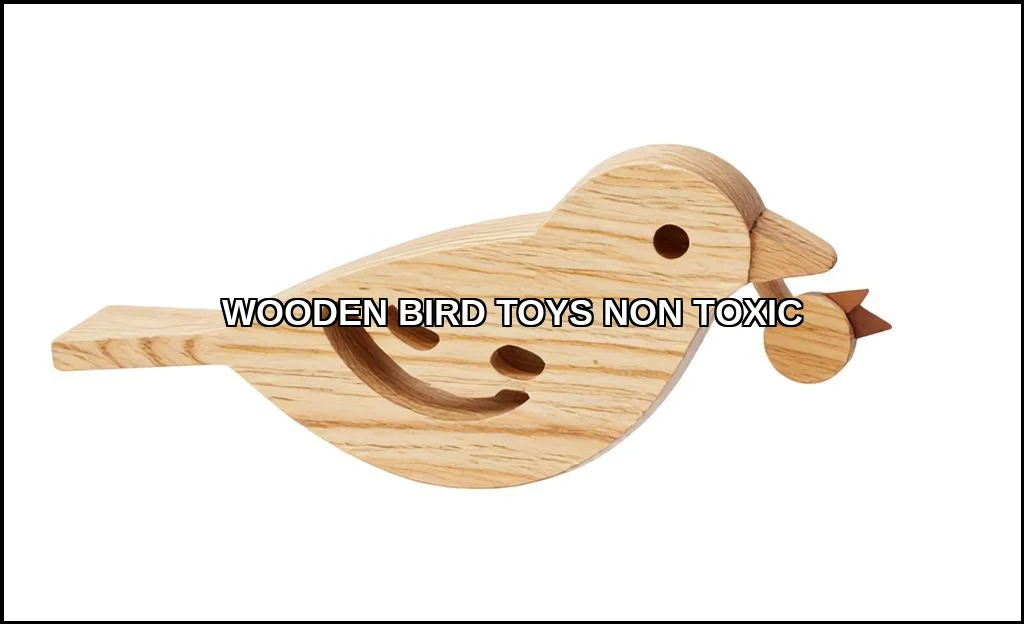
- Other safe options: Apple, Ash, Birch, Poplar, and Willow.
For a comprehensive, vet-reviewed list of safe and unsafe woods, this authority guide is an invaluable official source.
Woods to Avoid Completely
These woods contain toxins, resins, or phenols that can cause respiratory, digestive, or neurological issues. Never use:
- Cedar (the aromatic oils are toxic)
- Cherry (contains cyanide precursors)
- Oak (high tannin content)
- Redwood
- Any wood that is pressure-treated, stained, varnished, or painted (unless certified with non-toxic, vegetable-based dyes).
How to Identify Truly Non-Toxic Bird Toys
With “natural” and “safe” as marketing buzzwords, you need a discerning eye. Heres what to look for when shopping for bird-safe wooden toys.
Ask the Right Questions
- Source: Where does the wood come from? Is it sustainably harvested and free from pesticides? This is a key missing entity many overlook.
- Treatment: Is the wood raw, kiln-dried, or otherwise treated? The answer should be “untreated” or “kiln-dried only.”
- Color: Are the colors from safe, vegetable-based dyes or unknown paints? This addresses the natural vs. dyed wood safety comparison.
- Hardware: Are the chains, clips, and screws made of bird-safe metals like stainless steel?
Trusted Brands and Product Categories
Several brands have built reputations on safety. Planet Pleasures often uses natural materials like palm leaves and bamboo. Super Bird Creations and JW Pet offer a range of foraging toys and activity centers. Their focus areas typically include material safety lists and matching wood hardness to different bird sizesa crucial consideration. A cockatiel needs different parrot chew toys than an African Grey.
Always inspect the product description for specifics. Vague language is a red flag.
DIY Guide: Making Your Own Safe Wooden Bird Toys
Creating your own toys is rewarding. You control every element, making it the ultimate answer for chemical-free bird toys. Heres a simple guide on how to make non-toxic wooden bird toys.
Step 1: Sourcing Your Materials
Use only wood from the safe list. You can source untreated pine dowel rods from hardware stores (confirm they are not pressure-treated). Better yet, use branches from untreated, pesticide-free fruit trees (like apple or pear) in your yard. Wash and bake them at 200F for 30-45 minutes to kill any pests.
Step 2: Design and Assembly
Start simple. A classic project is a “kebab” of different wood blocks.
- Cut your safe wood into various shapes and sizes.
- Drill a hole through the center of each piece.
- String them onto a stainless steel skewer or safe rope (like untreated cotton or sisal).
- Add other safe elements like untreated leather strips or cardboard.
- Secure the ends safely to prevent entanglement.
This process directly answers what type of wood is safe for bird toys and puts you in charge.
Step 3: Safety Check
Before offering the toy, do a final inspection. Ensure all parts are secure but destructiblethe goal is for the bird to destroy it! Remove any small, potentially ingestible parts or long strings that could cause entanglement. Monitoring your bird’s health is always key, much like being aware of broader threats like does bird flu impact captive birds.
Top Considerations for Non-Toxic Bird Enrichment
Beyond just wood, think about the whole enrichment picture. Foraging toys that hide treats encourage natural problem-solving behaviors. Activity centers with ladders and swings made from safe materials promote exercise. Rotate toys regularly to keep your bird’s environment novel and engaging.
The best non-toxic wood for parrot toys often depends on your individual bird’s chewing strength and preference. Offer a varietysoft balsa for easy destruction and hard manzanita for a long-lasting challenge. Observe what they enjoy. Their preference is the final guide.
Choosing bird-safe wooden toys is an active commitment to your bird’s health and happiness. It requires moving past labels and understanding materials, from the source of the wood to the dye on its surface. Whether you select trusted products from brands like Planet Pleasures or embark on DIY projects, you’re providing more than a toy. You’re creating a safe space for natural behaviors to thrive. Start by auditing the toys in your cage today. Your feathered friend will thank you with years of healthy, energetic companionship.
