
An antique bird cage is more than a pet enclosure. It’s a piece of history, a sculpture of wire and metal that tells a story. These vintage bird cage treasures blend artistry with function, transforming a simple home for a feathered friend into a stunning focal point. Whether you’re a collector, a decorator, or a bird owner seeking unique heirloom pet furniture, the hunt is part of the charm.
Finding the right piece requires a keen eye. You need to balance aesthetic appeal with practical safety, historical value with modern usability. For those who love the look but need a ready-to-use option, many turn to modern reproductions. For instance, a well-made Iron Bird Cage can offer that classic, ornate feel without the concerns of age. But for the true aficionado, nothing beats the real thing.
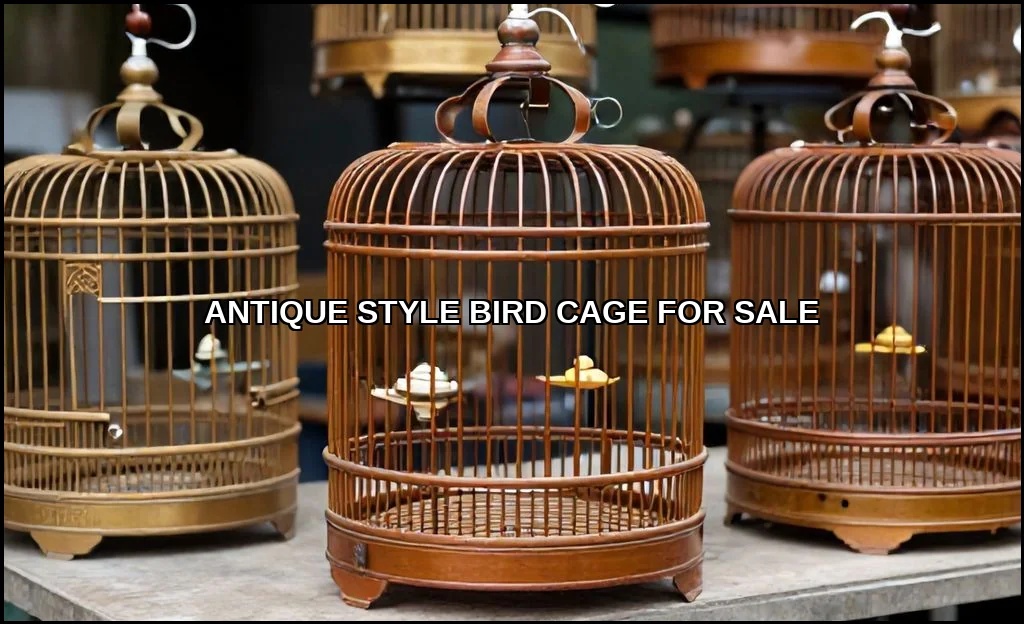
Antique Bird Cage Styles: From Victorian Grandeur to Art Deco Chic
Recognizing the major styles helps you identify what you’re looking at and its potential era. The most coveted designs often come from specific periods of decorative arts history.
Victorian & Gilded Age Cages
Think extravagance. The quintessential Victorian cage is a masterpiece of excess, often made of brass or gilded iron. Designs feature domed tops, intricate filigree, and elaborate finials. These were status symbols, meant to be displayed in parlors. During the Gilded Age, cages became even more opulent, sometimes mimicking architectural forms like gazebos or palaces.
Art Deco and Retro Aviary Designs
By the 1920s and 30s, aesthetics shifted. Art Deco antique cage designs embraced geometric shapes, sunburst patterns, and sleek lines. Materials like chrome and streamlined wrought iron were popular. This era also gave us the charming “retro aviary” look of the mid-century, with simpler, often colorful wire forms that feel nostalgic today.
Manufacturer Hallmarks: Turner, Whitely, and Beyond
Here’s a key insight many guides miss. Specific manufacturers are highly collectible. Companies like Turner and Whitely produced exceptional quality brass bird cage models. Identifying a hallmark or stamped name on the base or door can significantly increase value and help with dating. Its a detective game worth playing.
Key Materials: Brass, Wrought Iron & Wire Construction
The material dictates the cage’s look, durability, and safety profile. Understanding the build is non-negotiable.
- Brass: The gold standard for luxury. A true brass bird cage develops a rich, mellow patina over time. It’s relatively soft, so inspect for cracks in solder joints. High-quality brass cages were often built with a technique called lead-free solder, a critical safety point we’ll revisit.
- Wrought Iron: Known for strength and ornate scrollwork. It’s heavier than brass and can be forged into beautiful shapes. The primary concern is rust. Original paint or finish may contain lead, so a professional assessment is wise.
- Wire & Gauge: The gauge of wire refers to its thickness. A lower gauge number means thicker, stronger wireessential for a sturdy parrot cage. Flimsy wire is a major red flag for both safety and authenticity.
Assessing Condition & Critical Safety Considerations
This is where many buyers, especially those new to collectible cage items, can stumble. Beauty must not override safety, particularly if a live bird will inhabit the space.
The Restoration Question
How to restore a vintage bird cage is a common search. The first step is always assessment. Is the structure sound? Is the original patina worth preserving, or is it too far gone? For cages intended as decorative cage pieces only, you have more flexibility. For functional use, every material must be vetted.
Bird-Specific Safety Standards
Are old bird cages safe for birds? Often, not without significant work. You must check for:
- Toxic Materials: Lead-based paint, zinc coatings (common on “galvanized” wire), and old lead-free solder that actually contained lead. Testing kits are available.
- Bar Spacing: This is paramount. Bar spacing must be appropriate for the bird species to prevent injury or escape. A cage built for a canary is a death trap for a larger parrot.
- Structural Integrity: Weak joints, sharp points, and rust-compromised metal are hazards. The door latch mechanism must be securemany older designs are not predator-proof.
For the latest on safe habitats, consult the authority guide from the American Veterinary Medical Association. It’s an essential official source for modern standards.
Sizing Guide: From Canaries to Macaws
Antique cages come in all sizes, but they were often designed for the popular smaller birds of their day. Matching cage to species is a practical art.
| Bird Type | Recommended Cage Style | Key Antique Consideration |
|---|---|---|
| Canaries & Finches | Tabletop or Hanging Cages | Many beautiful antique examples exist here. Ensure wire is intact and spacing is very narrow (<1/2 inch). |
| Parakeets & Cockatiels | Tabletop or Standing Floor Cages | Look for sturdy classic bird enclosure designs. Bar spacing should not exceed 5/8 inch. |
| African Greys, Amazons | Large Standing Floor Cages | True antique parrot cage sizes are rare. Focus on structural strength and very thick gauge wire. |
| Macaws & Large Cockatoos | Custom or Retro Aviary | It’s exceptionally rare to find a safe, authentic antique for these powerful birds. Modern custom builds are safer. |
Placement in the Modern Home
Think of your period bird habitat as furniture. A large ornate bird cage makes a dramatic statement in a living room corner. A dainty brass cage adds charm to a bookshelf. Remember to keep it away from direct sunlight, drafts, and the kitchen (fumes are dangerous). And when the holidays roll around, you can learn creative ways to decorate your cage safely and festively.
Buying Guide: Pricing, Authenticity & Where to Shop
So, what is an antique bird cage worth? Value is a cocktail of age, condition, style, manufacturer, and market demand.
Pricing Factors & Valuation
A small, simple brass tabletop cage might start at $150. A magnificent, pristine Victorian standing cage from a known maker can easily reach $2,000+. Key drivers include:
- Authenticity: Is it a true antique (100+ years) or a vintage reproduction? Dating techniques involve examining construction (hand-forged vs. machine-made joints), type of solder, and fastener styles.
- Condition: Original finish with a good patina often beats a sloppy repaint. No structural rust or repairs.
- Rarity & Design: Unique shapes, exceptional ornamentation, and documented makers command premiums.
Finding Sellers: Where to Buy Antique Bird Cages Online
The market has moved far beyond dusty antique malls. Your best bets are specialized online platforms.
- Auction Sites: eBay and LiveAuctioneers offer vast selection. Scrutinize photos and seller descriptions of condition.
- Etsy & Chairish: Excellent for decorative cage finds and curated vintage pieces. Sellers are often knowledgeable.
- Specialist Dealers: Some online antique dealers focus on garden or avian antiques. They provide the most reliable authentication but at higher prices.
Always ask detailed questions about materials, structural integrity, and any restoration work done. Request additional photos of joints, latches, and the interior. And remember, global health concerns like avian flu remind us why responsible bird care matters; understanding how disease affects birds is part of being a conscientious owner.
The journey to own an antique bird cage is a blend of passion and pragmatism. You’re not just acquiring an object; you’re preserving a slice of craftsmanship and potentially providing a unique home. Let the style captivate you, but let safety and research guide your final decision. The perfect piece is out therea functional sculpture waiting for its next chapter.
