
Choosing the right wood for a birdhouse isn’t just a carpentry decision. It’s a commitment to the safety and comfort of your backyard visitors. The wrong material can harm delicate chicks or cause a house to fail in a single season. Your wood selection directly impacts insulation, durability, and ultimately, whether a bird family calls it home.
For those who prefer a ready-made, high-quality option, the SISTERBIRD 2 Pack offers a fantastic starting point. These houses are crafted from durable, bird-safe cedar, embodying many of the principles we’ll discuss. They’re a great example of how proper material choice leads to a product that lasts.
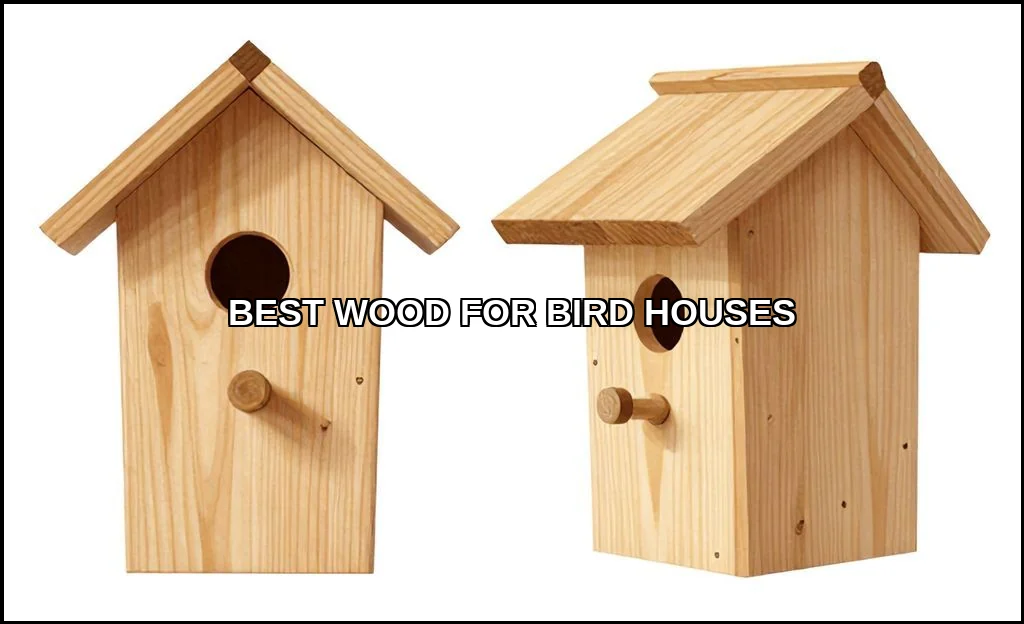
Why Your Wood Choice Matters for Birds
Think of a birdhouse as a tiny, exposed apartment. It faces sun, rain, snow, and curious predators. The wood you select forms the first line of defense. Beyond simple shelter, wood provides critical temperature regulation. Thicker, insulating woods keep chicks warm on cool nights and shaded on hot days. The wrong wood can leach toxic chemicals or promote mold growth in a confined space. Your goal is to create a safe, durable sanctuary. This makes your wood selection guide the most important step in the entire project.
Top Recommended Wood Types for Bird Houses
Not all lumber is created equal for outdoor wood projects. The best options balance natural weather resistance, workability, and safety. Here are the top contenders for your birdhouse materials list.
Cedar: The Gold Standard
Cedar is, without question, the premier choice for a cedar wood bird house. Its natural oils act as a preservative, making it highly rot-resistant. This inherent weatherproof wood quality means it can last for years untreated. Cedar is also relatively lightweight and easy to work with. Its aromatic oils mildly deter insects, an added bonus. For species like the Eastern Bluebird or Chickadee, a cedar house offers superb insulation. It’s the benchmark against which other best wood species are measured.
Pine: The Accessible Workhorse
Pine wood for birdhouses is a popular, economical choice. It’s soft, easy to cut, and readily available at any home center. The catch? Untreated pine lacks natural durability. It will warp, crack, and rot quickly if left exposed. This makes proper sealing non-negotiable. For a painted or well-sealed project, especially in drier climates, pine is a viable candidate. It’s a great wood for practicing your designs before committing to more expensive lumber.
Cypress and Redwood
These are premium, highly durable options similar to cedar. Cypress contains cypretine, a natural preservative, and is exceptionally stable. Redwood is famously rot-resistant lumber. Both are excellent but can be more expensive and less widely available. They are ideal for projects where you want maximum longevity with minimal maintenance.
Considering FSC-Certified and Reclaimed Wood
An often-missing consideration is wood sourcing. FSC-certified wood ensures your material comes from responsibly managed forests. It’s an eco-conscious choice that aligns with the spirit of helping wildlife. Reclaimed wood (like old fence boards or barn wood) has character and history. Critical caution: you must be absolutely certain it hasn’t been treated with creosote, old pesticides, or lead paint. Sand it thoroughly and know its origin.
Woods to Avoid and Critical Safety Considerations
Some woods and treatments pose direct risks. Your priority is creating a safe lumber for birds environment, free from toxins.
The Pressure Treated Wood Debate
A common question is: is pressure treated wood safe for bird houses? The modern answer is nuanced. Older pressure-treated lumber used arsenic (CCA), which is absolutely toxic and should be avoided entirely. Contemporary treatments use copper compounds (ACQ, CA-B). While less toxic, the copper can still leach, especially in the acidic environment of bird droppings. For the absolute safest habitat, most experts recommend avoiding pressure treated wood for the interior cavity and perches. If used for a post or external mount, ensure no treated part is where birds can peck or contact it directly.
Toxic Woods and Wood Grain
Some woods are naturally toxic. Avoid plywood, particleboard, or OSB that contains formaldehyde-based glues. Also steer clear of woods like black walnut or yew, which have natural toxins. Pay attention to wood grain as well. Using wood with a tight, vertical grain is more resistant to splitting and water ingress than wood with wide, horizontal rings.
How to Treat and Finish Bird House Wood Safely
Finishing protects the wood and extends its life. The rule is simple: any treatment must be non-toxic once fully cured. This is how you achieve outdoor wood durability safely.
Safe Finishing Products
You need a bird-safe wood finish that breathes. Never use standard interior varnishes or plastic-like sealants that trap moisture inside. The best options are:
- Water-based sealant: Look for exterior-grade, water-based polyurethane or acrylic sealers. Brands like Titebond III (for glue) and Thompson’s WaterSeal offer outdoor water-proofing options. Always apply to the exterior only, and allow for a full cure time (often a week or more) before installing.
- Raw Linseed Oil (not boiled): Pure, raw linseed oil is a natural, safe option once fully cured, which can take weeks. Boiled linseed oil often contains metallic dryers and should be avoided.
- Milk Paint: A historically accurate, non-toxic finish that is breathable and durable.
The process for how to treat wood for birdhouse safely involves applying thin coats to the outside surfaces only. Leave the interior completely raw and untreated for the birds’ safety.
Construction and Design Tips for Longevity
Your joinery and design impact durability as much as the wood itself.
- Wood thickness recommendations: Use 3/4″ lumber for walls. This provides crucial insulation. Thin 1/4″ wood offers little buffer against temperature swings.
- Use exterior-grade, waterproof glue (like those in the Titebond III category) for all joints.
- Design with overhanging roofs and proper drainage holes to shed water.
- Use stainless steel or galvanized screws, not nails, for assemblies that might need future cleaning or repair.
Matching Wood to Bird Species and Climate
The best wood for a bluebird house in a rainy climate differs from one for a Wren in a dry area. Climate and species needs should guide your final choice.
| Bird Species | Recommended Wood | Climate & Design Note |
|---|---|---|
| Eastern Bluebird, Purple Martin | Cedar, Cypress | Needs excellent insulation. Prioritize thick cedar in variable climates. A proper birdhouse camera setup often works best in these durable houses. |
| Chickadees, Titmice | Cedar, Pine (well-sealed) | Prefers natural wood cavities. Untreated, thick cedar mimics their natural habitat perfectly. |
| Wrens, Robins | Pine, Cedar | Less fussy about insulation. Well-sealed pine works well in drier regions. |
For wet, rainy climates, cedar vs pine for birdhouse durability isn’t a fair fight. Cedar’s natural resistance gives it a massive advantage. In arid climates, properly sealed pine can perform admirably for years. Always consider local conditionsextreme sun demands UV-resistant finishes, while constant dampness prioritizes rot resistance above all. And remember, providing year-round support means thinking about elements like the best heated bird baths alongside quality housing.
The Final Tally on Timber
Your journey through birdhouse materials leads to a clear frontrunner: cedar. It’s the safest, most durable, and most forgiving choice for both novice and expert. If budget dictates pine, commit to a rigorous sealing regimen with a water-based sealant. Always avoid interior treatments and suspect pressure treated wood. Consider thickness, sourcing, and your local weather patterns. The right wood choice is a quiet promise to the birdsa promise of a secure, healthy home for seasons to come. Now, go build something wonderful.
