
You’ve got the cage, the perches, the food dish. But something’s missing. The space feels static, a home rather than a habitat. That’s where the magic of bird cage toy hooks comes in. These small, often overlooked accessories are the unsung heroes of avian enrichment, transforming a simple enclosure into a dynamic playground. They’re the framework for foraging, the anchor for adventure, and a critical component of your bird’s mental and physical well-being.
Think of them as the gallery mounts for your bird’s ever-changing exhibit of toys. Without the right hooks, even the best toys can’t be used effectively or safely. The right setup encourages natural behaviors like climbing, chewing, and problem-solving. It prevents boredom, which can lead to negative behaviors like feather plucking or excessive screaming. Getting this element of your cage setup right is a game-changer.
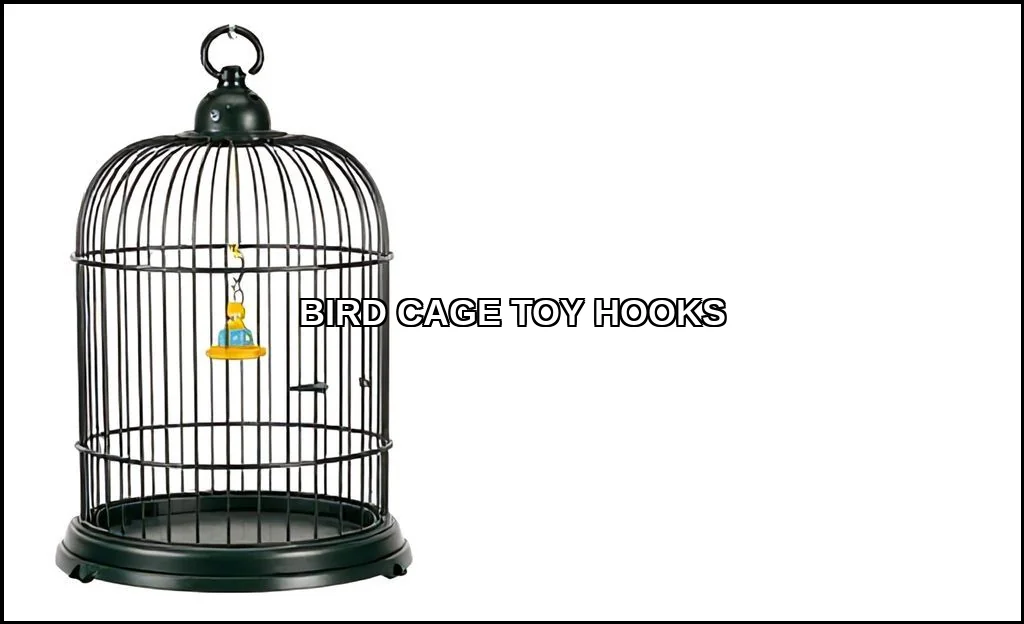
What Are Bird Cage Toy Hooks?
At their core, bird cage toy hooks are specialized hardware designed to securely attach toys, perches, and foraging devices to the bars of a cage or play gym. They are far more than just bent pieces of wire. A proper hook is engineered with avian safety and durability in mind, crafted from stainless steel or other avian-safe materials to withstand powerful beaks and constant manipulation.
They serve as the critical link between your bird and its enrichment. From dangling a simple wooden block to suspending a complex puzzle feeder, these hooks enable the variety that is essential for a captive bird’s mind. They allow you to rotate toys easily, refresh the environment, and create vertical interest. For a practical and reliable starting point, many bird owners opt for a versatile set like the 10 Pcs Silvery stainless steel hooks, which provide a solid foundation for hanging a range of cage hanging toys.
Key Features & Safety Considerations
Safety isn’t just a feature; it’s the entire foundation. A hook that fails can lead to injury, escape, or ingestion of harmful materials. You must scrutinize every component.
Material is Paramount
The number one rule is avoiding toxic metals. Zinc and lead are common in cheap hardware and are deadly to birds. Bird safe stainless steel is the undisputed gold standard. It’s non-toxic, rust-resistant, and incredibly strong. Nickel-plated or powder-coated steels can chip or wear, potentially exposing underlying metals. Always choose solid, surgical-grade stainless steel for peace of mind.
Design and Durability
Look for hooks with a smooth, finished design. Sharp edges, burrs, or rough spots can injure delicate feet and tongues. The closure mechanismwhether a screw, clasp, or springmust be secure enough to resist a clever bird’s attempts to unscrew or pry it open. Consider the weight-bearing capacity. A hook for a cockatiel’s lightweight toy will not suffice for a macaw’s heavy wooden block. Manufacturers rarely list this, so gauge by material thickness and design robustness.
This focus on non-toxic components is echoed by every reputable official source for avian care, such as the comprehensive guide on safe bird toys.
The Chew Factor
Assume your bird will chew on the hook itself. This is why material safety is non-negotiable. Some hooks come with a plastic coating or sleeve. While this can protect cage paint, ensure the plastic is also bird-safe and that the metal core remains inaccessible if the coating is destroyed.
Types of Toy Hooks & Mounting Options
Not all hooks are created equal. The right choice depends on your cage, your bird’s size and ingenuity, and the type of toy you’re hanging.
Primary Hook Styles
- C-Clamp Hooks: The most common type. They slide onto the cage bar and are secured with a thumb screw. Excellent for easy repositioning and suitable for most toys. Brands like JW Pet often feature this style.
- Spring-Loaded Hooks: Use internal spring tension to clamp onto the bar. Very quick to install and remove, but a determined large parrot might be able to compress the spring and release it.
- Quick-Links (Carabiner-style): Small, oval-shaped metal links with a screw-gate opening. Incredibly versatile and strong. They can link toys together, attach to chains, or connect directly to cage bars. A staple for avian enrichment hooks.
- Screw-Eye Hooks: These have a threaded end that screws directly into a wooden toy or playstand. They are not for metal cages but are essential for DIY wood projects.
Mounting for Different Cage Types
Cage bar spacing directly influences your hook choice. A hook designed for thin parakeet bars may not open wide enough for a macaw cage’s thicker bars. Always check the maximum opening width. For stainless steel or powder-coated cages, ensure the hook’s clamping mechanism won’t scratch or damage the finish. A soft plastic sleeve on the clamp can help.
Thinking about seasonal updates? The principles of secure hanging apply whether you’re setting up a new foraging toy or looking to decorate for the holidays safely.
How to Install & Arrange Hooks for Maximum Enrichment
Placement is an art form. It’s about creating a stimulating landscape within the confines of the cage.
Strategic Placement Guidelines
- Create Zones: Don’t cluster all toys in one area. Place a foraging toy on one side, a preening toy in the middle, and a destructible wood toy up high. This encourages movement and exploration.
- Vary Heights: Use hooks to place toys at different levels. Some low for ground-foraging species, some at perch level for easy access, and some high up to encourage climbing. This mimics the complex verticality of a natural environment.
- Consider Traffic Flow: Ensure toy placement doesn’t block access to food, water, or favorite perches. Leave clear flight paths and landing zones.
- Anchor Heavy Toys Securely: For large, heavy toys, consider using two hooks or a hook combined with a sturdy chain to distribute weight and prevent swinging that could startle your bird.
The impact of hook placement on cage cleaning is a real but solvable challenge. Avoid placing hooks directly above the food and water dishes where debris will fall in. Position them over easy-to-clean areas or removable trays. This makes your weekly deep clean much simpler.
Enrichment Through Hanging
This is where hooks enable true behavioral enrichment. Use them to hang puzzle feeders that promote foraging enrichment. Suspend boings or rope coils for climbing. Create a “play zone” in the upper third of the cage. Rotate toys attached to these hooks weekly to maintain novelty and challenge. This proactive mental stimulation is a cornerstone of preventative health care, much like understanding how illness does affect avian populations informs broader care.
DIY Alternatives vs. Commercial Products
Should you buy a pack of hooks or make your own? The answer depends on your skill level, your bird’s size, and your risk tolerance.
The Commercial Advantage
Purchasing from reputable brands like Super Bird Creations, Planet Pleasures, or JW Pet offers assurance. These products are (or should be) specifically tested and designed for bird safety. They come ready to use, with consistent quality and known materials. For most owners, especially those with medium to large parrots, this is the safest and most reliable path. You’re paying for guaranteed avian-safe materials and engineering.
The DIY Route: Proceed with Caution
DIY bird toy hooks can be made from stainless steel quick-links or C-clamps purchased from hardware stores. The critical caveat: you must be 100% certain the metal is stainless steel, not merely “silver” or “metal.” You must also file down any sharp edges meticulously.
Comparison of hook types for different bird sizes is even more critical in DIY. A quick-link that is perfectly safe for a conure could be too weak for an Amazon parrot to use as a chew toy. The margin for error is slim. DIY is best suited for small bird applications or for creating custom bird play gym accessories where commercial hooks aren’t the right fit.
| Aspect | Commercial Hooks | DIY Hooks |
|---|---|---|
| Safety Assurance | High (if from reputable brand) | Variable (depends on your sourcing & workmanship) |
| Cost | Moderate | Potentially Lower |
| Convenience | Ready to use | Requires sourcing & preparation |
| Customization | Limited to available designs | High (can create specific sizes/shapes) |
| Best For | Most owners, especially beginners or large bird owners | Experienced owners of small birds or custom projects |
Your bird’s cage is its world. The toys are the landmarks, the challenges, the entertainment. But without the right hooks, that world is flat and inaccessible. Investing in high-quality, safe bird toy hangers made from appropriate materials is not an accessory purchase; it’s an investment in your bird’s behavioral health. It allows you to build a dynamic, engaging environment that satisfies instinctual needs. Start with a solid set of stainless steel hooks, arrange them with purpose, and watch your bird’s worldand its well-beingexpand. The difference is often in the details, and these small hardware pieces hold the key to a much richer life.
