
Living in an apartment or a cozy home often means every square foot counts. You want a feathered friend, but a bulky, traditional cage just won’t fit. That’s where the space-saving design of a corner bird cage becomes a game-changer. It tucks neatly into an unused corner, freeing up your living area while providing a comfortable home for your bird. Its the smart solution for modern pet owners.
Think of it as functional furniture. A well-chosen corner cage maximizes vertical space and integrates into your room’s flow. But not all corner cages are created equal. The key is finding one that offers ample room for your bird to move, play, and thrive, not just a triangular box that fits the space. For birds that love to climb and explore, consider adding enrichment like the Flyline Parrot Escape. This climbing net can attach to many cage setups, turning the area around the cage into a fun, extended playground.
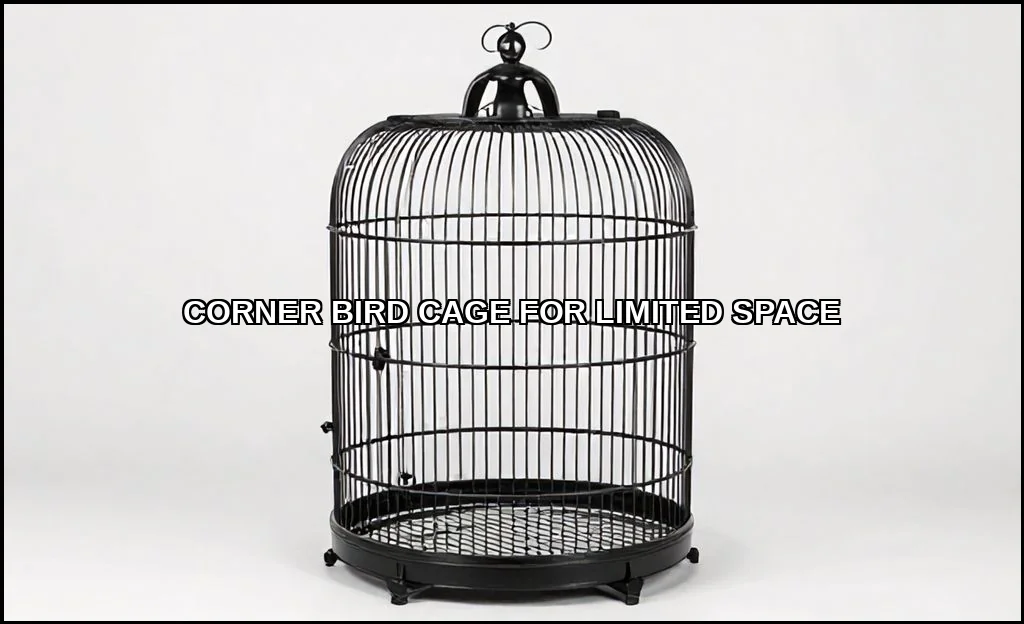
What Makes a Great Corner Bird Cage?
Beyond just fitting in a corner, a quality enclosure has specific features that prioritize your bird’s health and your convenience. It’s more than just a small bird cage with an angled back.
Essential Features for Safety and Function
First, look for bird-safe materials. A durable, non-toxic powder-coated finish is standard for good reasonit resists rust and is easy to clean. The bar spacing is critical; it must be narrow enough to prevent your bird from sticking its head through or escaping.
- Secure Doors: Look for locks or latches that are bird-proof. A clever parrot can figure out simple hooks.
- Remable Trays & Grates: Pull-out bottom trays and removable grates make daily cleaning a breeze, a must for maintaining hygiene.
- Ample Accessories: Multiple feeder doors and ports for perches and toys allow for easy customization without reaching inside.
Addressing the Missing Details: Airflow and Noise
Many product listings skip over two vital aspects for apartment dwellers: ventilation and noise. A compact bird cage needs excellent airflow to prevent moisture and odor buildup. Look for models with good ventilation on multiple sides, not just the front.
Noise reduction is another overlooked feature. Cages with large, flat metal panels can amplify sound. Some designs incorporate tighter bar grids or built-in seed guards that can slightly dampen noise. Placing the cage on a soft mat and using fabric cage covers at night are simple DIY hacks for a quieter apartment bird cage.
Finding the Perfect Fit: Size and Species
The biggest mistake is choosing a cage that’s too small. Corner fit measurements refer to the back panels, but the internal living space is what matters for your bird.
Matching Your Bird to a Corner Aviary
So, what birds fit in a corner cage? Generally, smaller to medium birds are ideal. Heres a quick compatibility guide:
| Bird Species | Recommended Minimum Cage Width (Front) | Notes |
|---|---|---|
| Finches & Canaries | 24 inches | They fly horizontally, so width is key. A tall, narrow corner cage isn’t suitable. |
| Parakeets (Budgies) | 30 inches | Active and playful, they need room for multiple perches and toys. |
| Cockatiels | 36 inches | A popular choice for corner cages. They need space for their long tail feathers. |
| Lovebirds & Small Conures | 36-40 inches | Very active chewers and climbers. Require sturdy construction. |
Larger parrots often need more horizontal space than a typical triangular bird cage can provide, though some large corner aviaries exist. Always prioritize the largest cage your space and budget allow. For more on this, the National Audubon Society offers an excellent authority guide on selecting appropriate housing.
Top Models and How They Compare
The market offers a range, from basic standing corner cages to innovative wall-mounted corner units. Brands like Prevue Pet Products, Yaheetech, and Mcage are frequently seen. Let’s break down the categories.
Powder-Coated Standing Cages
These are the most common. They sit on a stand or legs, often with rolling casters. Models from Prevue often feature excellent bar spacing and durable finishes. They are workhorsesreliable and functional. The corner vs traditional cage pros and cons become clear here: you gain floor space but may sacrifice some internal square footage compared to a rectangular model of similar price.
Wall-Mounted and Space-Efficient Designs
For the ultimate in space-saving, consider a true wall-mounted bird cage or a tall, slender angled bird enclosure. These free up the floor entirely. They require secure mounting to wall studs, but the visual effect is stunningit turns the cage into a living art piece. Perfect for tiny studios.
DIY Customization Ideas
Don’t see your dream cage? Get creative. A basic powder-coated cage can be personalized. Add a custom-built play top made from safe wood. Use zip ties to attach rope nets (like the Flyline Parrot Escape) to the outside. You can even decorate the area around it with bird-safe plants and perches to create a fuller room corner bird home. The goal is to enrich your bird’s environment safely.
Setting Up Your Corner Cage for Success
Knowing how to set up a corner bird cage properly impacts your bird’s happiness and your home’s harmony.
Ideal Placement and Positioning
- Find the Right Corner: Place the cage in a corner that’s part of the family’s activity (like the living room) but not in a direct traffic lane. Birds are social.
- Avoid Direct Threats: Keep away from direct sunlight, drafts from windows/doors, and kitchens (fumes from non-stick cookware can be fatal).
- Consider the Walls: Having two walls behind the cage can make a bird feel more secure. Just ensure one side isn’t against a heat source.
Interior Layout and Maintenance
Inside, create zones. Place food and water dishes at one end, sleeping perch at the other, and play areas in the middle. Use varying perch diameters for foot health. Remember, a clean cage is a healthy cage. The pull-out tray is your best friend for quick clean-ups. A weekly deep clean prevents issues and keeps your home smelling fresh. It’s also a good time to check your bird’s overall health, something to be mindful of given concerns like how a virus does affect avian populations.
Choosing a corner bird cage is a brilliant strategy for limited spaces. It boils down to selecting a well-constructed model with the right dimensions for your specific bird, then placing and setting it up with their well-being in mind. Focus on bird-safe materials, ample ventilation, and enriching accessories. Whether you opt for a trusted brand’s model or inject personality with DIY touches, you’re creating a space-efficient bird habitat that works for both of you. Your feathered companion gets a safe, engaging home, and you get to enjoy their company without sacrificing your living space. That’s a win-win.
