
Have you ever heard a parrot perfectly imitate a phrase in Spanish, then switch to a greeting in English? It’s a captivating display that makes you wonder about the mechanics behind it. You’re not just witnessing a simple trick; you’re observing a complex form of vocal imitation rooted in advanced biology and social intelligence.
This ability raises fascinating questions. Can parrots understand different languages, or is it pure mimicry? How does their parrot speech anatomy even allow for such precision? We’ll explore the science, separate fact from fiction, and give you practical tips if you’re inspired to try teaching your own feathered friend. For a fun, interactive way to engage with this concept, many enthusiasts enjoy the Talking Macaw Parrot toy, which demonstrates realistic vocal patterns.
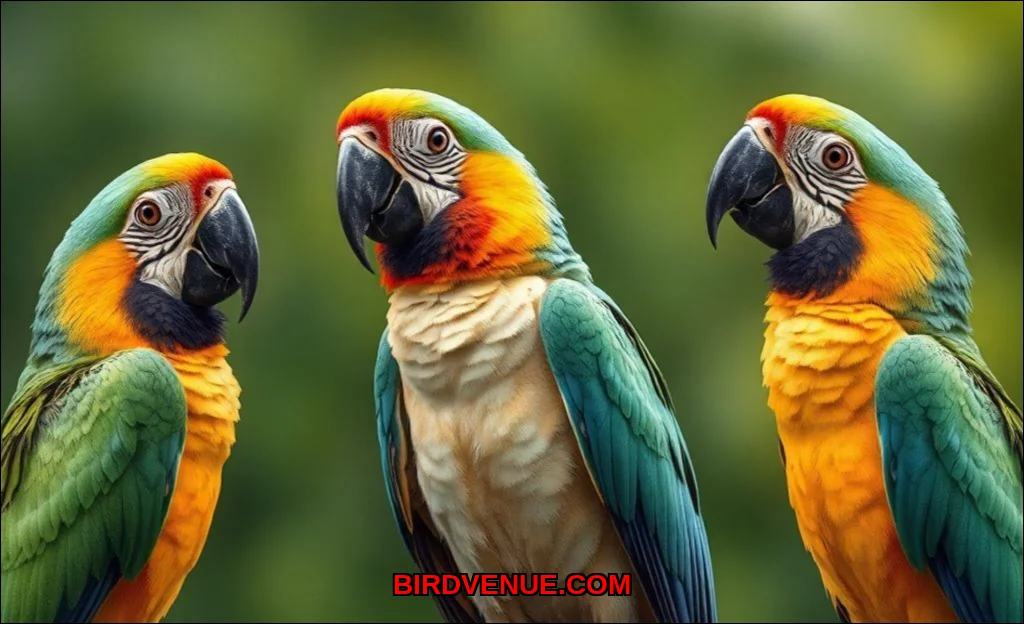
The Science Behind Parrot Speech: Anatomy and Ability
Your parrot’s ability to talk starts with a unique organ called the syrinx. Located where the trachea splits into the lungs, it’s the avian equivalent of our larynx. But it’s far more sophisticated. The syrinx has independent muscle control on each side, allowing parrots to produce two different sounds simultaneously. This gives them an incredible range for parrot mimicry.
This biological hardware is useless without the right software: a brain wired for parrot vocal learning. Like humans, parrots are one of the few animals that learn sounds by listening and practicing, not just through instinct. This places them in an elite group for avian communication. A key study, detailed in this scientific exploration of why parrots talk, delves into the neurological pathways that make this possible.
How Parrots Learn Languages: Mimicry vs. Comprehension
This is the core of the debate. Parrots excel at speech learning through a process of social learning. They listen, memorize sound patterns, and reproduce them to bond with their flockwhich, in a home, is you. They associate sounds with specific contexts, like saying “hello” when you enter a room.
But does this mean they understand grammar or the meaning of individual words? Research, particularly with African Greys like the famous Alex, suggests they can learn to associate words with objects, colors, and numbers. However, this is more about advanced label association than understanding syntax. So, when asking do parrots know what they are saying?, the answer is nuanced. They understand context and consequence, but likely not abstract language as we do.
Which Parrot Species Are Best at Talking?
Not all parrots are created equal in the bird talking arena. Some species have a natural predisposition for clearer speech and larger vocabularies. If you’re wondering which parrot species can learn the most words, this comparison will help.
| Species | Speech Clarity | Vocabulary Potential | Notes |
|---|---|---|---|
| African Grey Parrot | Exceptional | 1000+ words | Often cited as the best; high cognitive ability for association. |
| Amazon Parrot | Very Good | 100+ words | Known for loud, clear voices and a love for singing. |
| Budgerigar (Budgie) | Good (can be muffled) | 100+ words | Small but mighty; holds the record for largest bird vocabulary. |
| Cockatoo | Moderate | 50+ words | Less precise but excellent mimics of tone and household sounds. |
| Macaw | Moderate to Good | 20+ words | Capable, but often louder and less inclined than others. Learn more about how macaws differ from other parrots in behavior and care. |
It’s crucial to choose a species that fits your lifestyle beyond just its parrot talking ability. For a deeper dive into traits and care, our guide on parrot species and their unique characteristics is an essential resource.
Beyond Parrots: Other Talking Birds
While parrots are the stars, they aren’t the only performers. Indian Hill Mynahs are phenomenal mimics with incredible tonal accuracy. Some corvids, like crows and ravens, can also mimic speech, showcasing that advanced vocal learning has evolved in different bird families. This broader view enriches our understanding of avian communication.
Can Parrots Truly Understand Different Languages?
Let’s tackle that intriguing long-tail question: can parrots understand different languages? The short answer is no, not in the human sense. A parrot doesn’t comprehend that “hello” and “hola” are synonyms from different linguistic systems.
However, they are brilliant at discriminating between sound patterns. A parrot raised in a bilingual home will mimic the sounds it hears most frequently, regardless of language. It’s associating the specific sound pattern with a context or reward. Fascinating cognitive studies show they can tell the difference between rhythmic and phonetic patterns of different languagesthey just don’t attach the cultural meaning we do. The parrot language comprehension is about sound-in-context, not semantics.
Practical Tips for Teaching Your Parrot to Talk
Ready to encourage your parrot’s inner linguist? Success hinges on patience, consistency, and understanding your bird’s personality. Heres a practical method for teaching parrots to talk.
1. Set the Stage for Success
Your bird needs to be comfortable, healthy, and bonded with you. Ensure they have a stimulating environment with plenty of parrot toys to prevent boredom. Use high-value bird food treats as rewards. Training is easiest when your parrot is attentive, usually in a quiet room in the morning.
2. Start Simple and Be Consistent
- Choose short, clear words: Start with “hello,” “bye,” or their name.
- Use enthusiastic repetition: Say the word clearly every time you perform an associated action (like greeting them).
- Employ social learning: Have multiple people in the household say the same word. Parrots learn from their flock.
3. Use Intelligent Reinforcement
When your parrot makes any attempt at the sound, immediately reward them with praise and a treat. Don’t wait for perfection. You’re shaping the behavior. This positive reinforcement is far more effective than any training aid.
4. Advanced Techniques: Multiple Languages and Phrases
Wondering how to teach a parrot to speak multiple languages? The principle is the same. Assign a specific language or phrase to a consistent context or person. For example, always use Spanish during playtime or a certain greeting when a particular family member comes home. The key is consistent contextual association, not teaching “language.”
Avoid frustration. Some parrots never talk, and that’s okay. Their value isn’t in their vocabulary. Celebrate any vocalization, as it’s a sign of engagement and trust.
The journey into parrot vocal learning reveals a stunning intersection of biology and behavior. While their skill is fundamentally advanced mimicry, the cognitive processing behind it is profound. Your parrot may not debate philosophy in French, but its ability to connect sounds to its social world is a remarkable feat of nature. Focus on the bond you build through interactive communication, whether it results in a single “hello” or a multilingual repertoire. That connection is the real magic.
