Parrot Lifespans: How Long Do Pet Parrots Live?
Contents
Bringing a parrot into your home is a profound decision. It’s not like adopting a cat or a dog. You’re committing to a relationship that could span decades, potentially outlasting cars, homes, and even other family pets. This journey requires more than just love; it demands deep foresight and planning for a life that will intertwine with your own for a very long time.
Before you even consider which parrot species might be right for you, you need to grasp the sheer scale of the commitment. Their incredible average lifespan in captivity vs. wild is a testament to good care, but it’s a double-edged sword. A well-researched guide, like the Parrot Parenting Essential, can be an invaluable resource for navigating this lifelong journey.
Parrot Lifespan by Species: From Budgies to Macaws
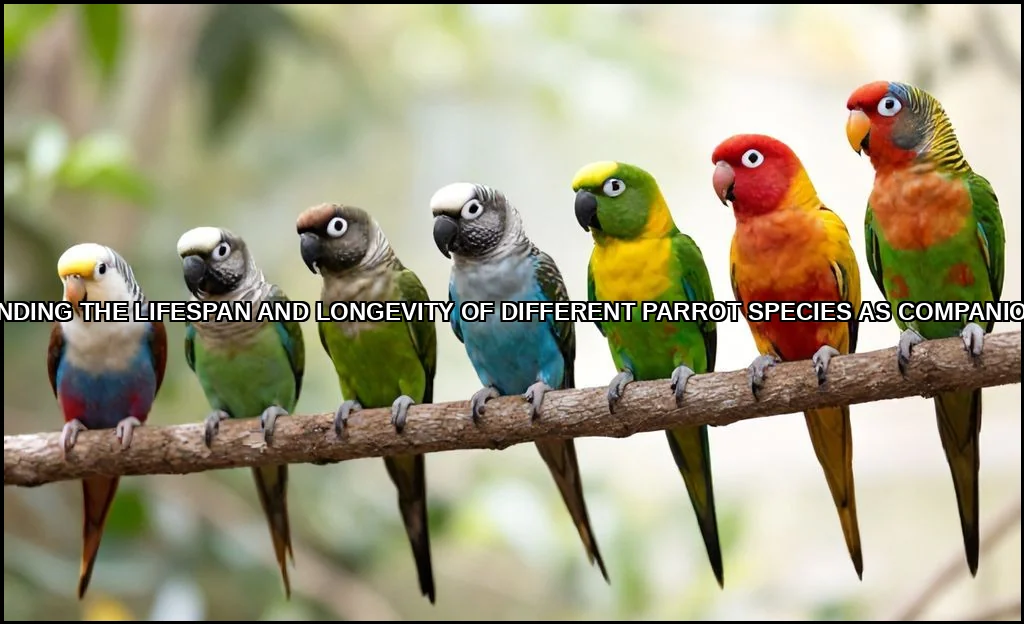
Asking “how long do parrots live?” is like asking how long a piece of string is. The answer varies dramatically. A companion parrot lifespan is heavily influenced by genetics and size, but even within species, there’s a wide range. It’s critical to distinguish between ‘Typical Lifespan’what most well-cared-for pets achieveand ‘Maximum Recorded Lifespan,’ which are the exceptional outliers.
Small to Medium Parrots
Small parrot longevity is often underestimated. These birds are not short-term pets.
- Budgies (Parakeets): 7-15 years. With exceptional care, some reach 20+.
- Cockatiels: 15-25 years.
- Lovebirds: 10-20 years.
- Conures (like Green-Cheeked): 20-30 years.
- Pionus Parrots: 25-40 years. A quieter, often overlooked species with impressive avian longevity.
Large Parrots
This is where the multi-decade promise becomes a reality. The longest living parrot species are typically found here.
- African Grey Parrots: 40-60 years, with some documented beyond 70. This answers the common query: what is the average lifespan of an African Grey parrot in captivity?
- Amazon Parrots: 40-70 years.
- Eclectus Parrots: 30-50 years. Their specific dietary needs (high fruits/veg) directly impact their species-specific life expectancy.
- Cockatoos (like Umbrella or Moluccan): 40-70 years, sometimes exceeding 80.
- Macaws (like Blue & Gold or Scarlet): 50-80 years.
The cockatoo lifespan vs macaw debate is a close one, but both unequivocally represent a lifelong commitment. A quick lifespan comparison chart in your research can help visualize these decades.
Key Factors That Determine a Parrot’s Longevity
Genetics set the potential, but environment and care write the actual story. Your daily choices are the biggest variable in your bird’s pet bird lifespan.
Nutrition: The Foundation
An all-seed diet is a death sentence. Modern Pelleted Diets from brands like Harrison’s Bird Foods, ZuPreem, and Kaytee are formulated to be complete nutritional bases. They should be supplemented with fresh vegetables, some fruits, and healthy grains. This is rule #1 for how to help my parrot live a long and healthy life.
Mental & Physical Environment
Avian Cages & Enrichment are non-negotiable. The cage is a safe haven, not a prison. It must be large enough for full wing extension and flight (if possible). More critical is what’s inside: foraging toys, destructibles, puzzles, and daily out-of-cage time. Boredom and stress are silent killers.
Healthcare: Proactive, Not Reactive
Find a certified avian veterinarian before you need one. Annual well-bird checkups are essential for detecting subclinical issues. Be vigilant about household toxins (Teflon fumes, aerosols, lead). This proactive approach is the hallmark of responsible captive parrot aging.
Recognizing Life Stages and Signs of Aging
Parrots age, but the signs can be subtle. Knowing what to expect helps you provide appropriate senior parrot care.
From Chick to Senior
- Juvenile (0-3 years): Clumsy, curious, learning. Dietary needs are higher for growth.
- Adult (3+ to ~20-30 years): Prime of life. Stable personality and energy.
- Mature Adult / Senior Parrot (Varies by species): You may notice reduced activity, more time sleeping, possible arthritis (difficulty perching), changes in feather quality, and clouding of the eyes. Appetite may change.
Caring for the Golden Years
Senior parrot care involves adjustments. Provide easier-to-access food and water dishes, lower perches, softer foods if needed, and maintain warmth. Vet visits may need to increase to twice yearly. Patience becomes your most important tool. It’s a different phase of your lifelong commitment.
Planning for Your Parrot’s Entire Lifespan
This is the sobering, yet necessary, part of parrot ownership. You must plan for a life that may extend beyond your own.
The Reality of Rehoming
Life happens: job changes, moves, new family members, or your own aging. Having a plan for a parrot’s lifetime care and potential rehoming is an act of love, not failure. Identify a trusted family member or a reputable rescue organization in your legal will. Document your bird’s diet, routines, and quirks.
Financial and Temporal Planning
Budget for the long haul. This includes:
- High-quality food and constant toy replacement.
- Annual vet care and a substantial emergency fund (think thousands).
- Possible Bird Supplements as recommended by your vet.
- Your timehours of daily interaction, for decades.
If this level of commitment feels daunting for a large species, it’s okay to reconsider. A smaller species like a budgie or cockatiel, while still a 10-20 year commitment, may be a more realistic fit. They answer the question, which parrot species lives the shortest time as a pet? though “short” is a relative term.
Owning a parrot is a marathon, not a sprint. It’s about understanding that your parrot life expectancy is directly in your hands. It’s built day by day through proper nutrition, mental stimulation, and vigilant healthcare. It requires looking decades into the future and making concrete plans. The reward is a deep, intelligent bond with a creature whose life you have enriched for its entire, remarkable duration. For continued learning, consult this excellent authority guide on avian care. And remember, whether you’re curious about their vocal talents or even their pixelated diet in games like Minecraft parrot care, the real-world commitment is what truly matters.