
Japanese beetles are a gardener’s nightmare. They descend in swarms, skeletonizing leaves and devouring flowers with ruthless efficiency. You’ve probably seen their metallic green bodies and copper wings on your prized roses. The damage is both aesthetic and agricultural, costing millions annually.
Chemical sprays offer a quick fix, but they come with collateral damage. They can harm pollinators and beneficial insects, disrupting your garden’s delicate ecosystem. This is where nature’s own pest patrol comes in. A strategic approach using beneficial birds can be a powerful component of your defense. For gardeners serious about observing and attracting these allies, tools like the Birdbuddy PRO Solar smart feeder can provide invaluable insights into which species are visiting your yard.
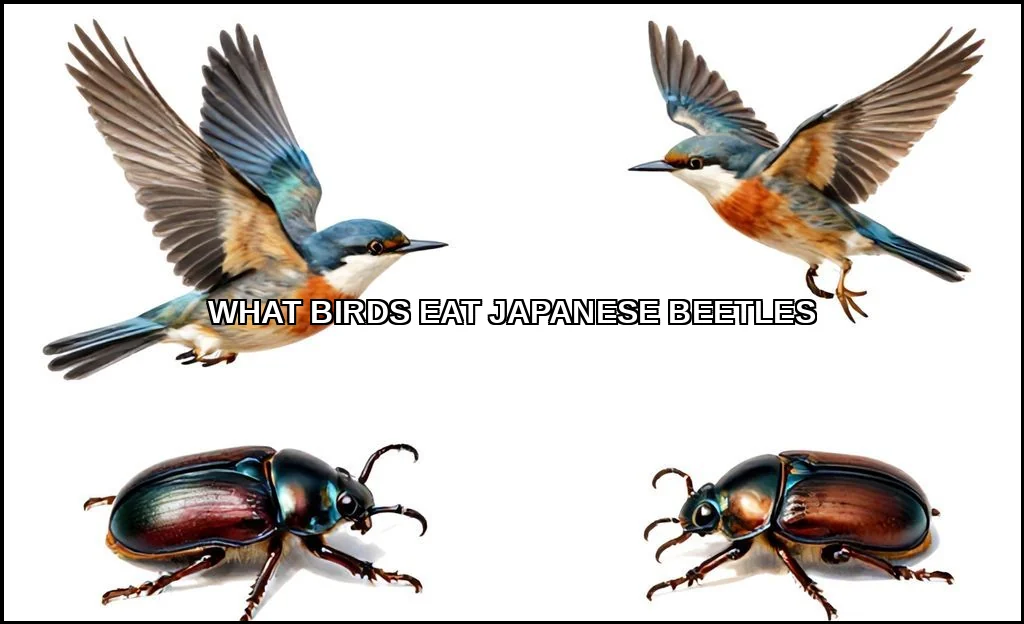
Top Bird Species That Eat Japanese Beetles
Not all birds are equal in the fight against Popillia japonica. The most effective avian predators of Japanese beetles are typically ground-foraging insectivores. They target both the adult beetles and, more importantly, the grubs in your soil. Here are the top contenders for natural beetle control.
Robins and Thrushes
Ask any gardener “do robins eat Japanese beetles?” and the answer is a resounding yes. American Robins are perhaps the most recognized grub hunters. They patrol lawns, cocking their heads to listen for movement before plunging their beaks into the soil. They consume vast quantities of the larval stage, disrupting the beetle’s lifecycle before it begins. Other thrushes, like the Eastern Bluebird, also join this beneficial brigade.
Starlings and Grackles
European Starlings and Common Grackles often get a bad rap as invasive or nuisance birds. However, their appetite for insects is formidable. Flocks of starlings can be seen marching across turf, systematically probing for grubs. Grackles are also opportunistic feeders that won’t pass up an easy beetle meal. Their effectiveness is a double-edged sword, as their large numbers can sometimes cause other issues.
Other Key Avian Predators
Several other species contribute to beetle population control. Catbirds, sparrows, and even chickens will peck adult beetles off foliage. The specific bird species for pest control in your area can vary regionally. A study in the Midwest, for instance, found different predation rates than one in the Northeast, highlighting the importance of local observation.
- Primary Grub Eaters: Robins, Starlings, Grackles, Crows
- Adult Beetle Predators: Catbirds, Sparrows, Cardinals, Blue Jays
- All-Around Helpers: Chickens, Ducks (for those with space)
It’s worth noting that the impact on bird health from consuming beetles is generally considered neutral to positive. The beetles provide a protein-rich food source, though some speculate about minimal toxicity from plants the beetles have consumed. The benefit for the birds typically outweighs any negligible risk.
How to Attract Birds That Eat Japanese Beetles
Knowing which birds help is only half the battle. The real skill is in making your garden an irresistible habitat. Gardening with beneficial birds in mind transforms your space into a living pest management system. Your goal is to provide the essentials: food, water, shelter, and nesting sites.
Provide a Varied Food Landscape
While the beetles themselves are the main attraction, a diverse menu brings in a wider variety of birds. Supplement natural insect populations with strategic feeding.
- Native Plants: Cultivate berry-producing shrubs and trees (e.g., serviceberry, dogwood) that offer seasonal food.
- Insect-Friendly Practices: Avoid broad-spectrum insecticides. A healthy insect population supports bird families.
- Strategic Feeders: Offer mealworms or suet during nesting season to support parent birds feeding their young. This is what many experts suggest for boosting local insectivore populations.
Create Water and Shelter Sources
Water is a magnet for all wildlife. A simple birdbath, especially one with a dripper or mister, will see constant activity. Shelter is equally critical. Dense native shrubs, brush piles, and evergreen trees provide protection from predators and harsh weather. Installing nesting boxes tailored to species like bluebirds or chickadees encourages them to raise their families on your property, turning your garden into their permanent hunting ground.
Embrace a Slightly “Wild” Aesthetic
Perfectly manicured lawns and sterile garden beds are deserts for beneficial birds for garden health. Allow leaf litter to accumulate in some bedsit harbors insects that birds eat. Let a section of grass grow longer. This “messy” approach creates the complex ecosystem birds need to thrive. Think of it as functional beauty.
Limitations of Bird-Based Control
Birds are fantastic allies, but they are not a silver bullet. Relying solely on them for complete eradication is a recipe for disappointment. Understanding these limits is key to a realistic strategy.
Bird predation is often opportunistic and seasonal. A robin’s focus shifts with food availability. During a heavy beetle outbreak, birds may simply not be numerous enough to consume every pest. Their activity also varies; what time of day do birds eat Japanese beetles is usually early morning, but beetle feeding continues throughout the day.
some of the most effective grub-eaters, like starlings, can become problematic in large numbers. This is the nuance of wildlife pest managementone creature’s solution can become another issue. An integrated approach is non-negotiable.
Integrated Pest Management Strategies
This is where the magic happens. Integrated Pest Management (IPM) is a holistic philosophy. It combines multiple, complementary tactics for sustainable control. Think of birds as one vital soldier in a larger, smarter army.
Combine Forces for Maximum Effect
A robust IPM plan for Japanese beetles layers several methods:
- Cultural Controls: This is your foundation. Hand-pick beetles in the early morning (drop them into soapy water). Use floating row covers to protect high-value plants during peak beetle season (late June to August).
- Biological Controls: Deploy milky spore powder (Bacillus popilliae) on your lawn. This natural bacterium specifically targets Japanese beetle grubs and is harmless to birds, pets, and people. Encourage parasitic wasps and flies by planting nectar-rich flowers.
- Mechanical & Botanical Controls: Use beetle traps with cautionplace them far away from your garden, or they may attract more beetles than they catch. As a last resort, apply neem oil or insecticidal soap, which are less harmful to beneficials than synthetic pesticides.
For the most current and region-specific advice, always consult an official source like a university extension service. Their research-based guidelines are invaluable.
Monitoring is Your Superpower
IPM starts with observation. Regularly check your plants for the first signs of damage. Monitor grub populations in your soil by cutting a one-square-foot section of turf and peeling it back. This tells you if and when intervention is needed. Understanding the local Japanese beetle lifecycle and behaviorwhen adults emerge, when they lay eggsallows you to time your countermeasures perfectly.
This cycle of monitoring and tailored response does more than just control pests; it fosters a deeper connection with your garden’s health. It’s a proactive, rather than reactive, stance.
So, what’s the final verdict? Birds are indispensable partners in managing Japanese beetles. They provide free, effective, and ecologically sound biological control that works in concert with your other gardening practices. The goal isn’t a beetle-free gardenthat’s nearly impossible. The goal is a balanced ecosystem where pests are kept below damaging thresholds by a chorus of natural checks and balances. Start by planting for the birds, providing water, and reducing pesticides. You’ll be rewarded with fewer beetles, more blooms, and the vibrant life of feathered friends doing the hard work for you.
