What to Do When Your Bird Lays Eggs: Essential Steps
Contents
Your bird just laid an egg. It’s a surprising moment, whether you were expecting it or not. Your first instinct might be panic, but take a breath. This is a natural part of avian reproduction for many species. The key is knowing how to respond to keep your feathered friend healthy and safe.
This guide walks you through the immediate steps and long-term considerations. We’ll cover everything from nutrition to nest management, helping you navigate this delicate situation with confidence. Remember, every bird is different, and species-specific needs are paramount.
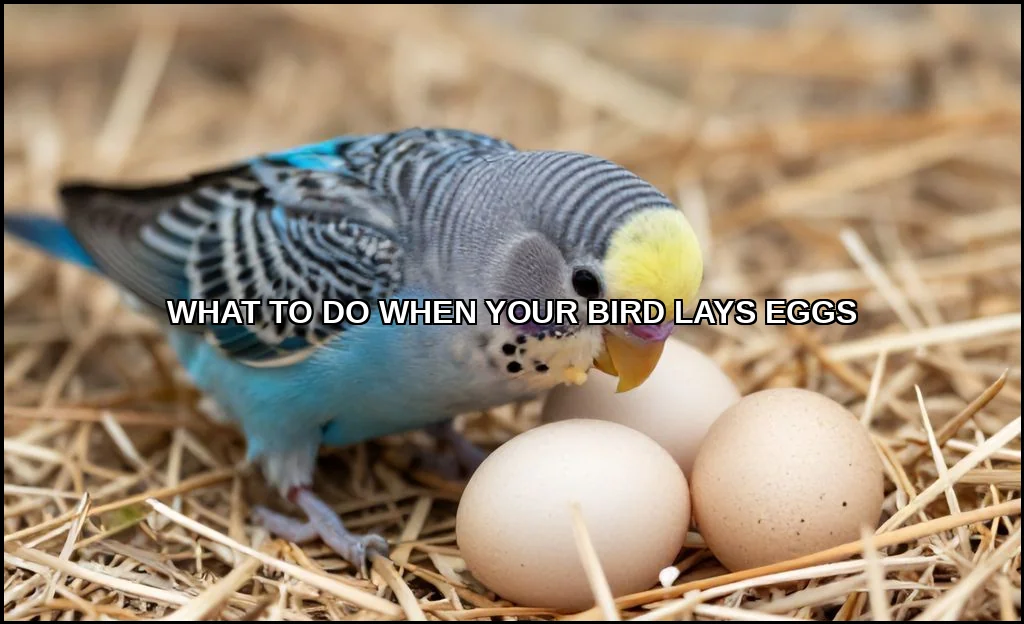
Why Did My Bird Lay Eggs?
Bird nesting behavior is often triggered by environmental cues. The primary drivers are longer daylight hours (photoperiod), an abundance of food, and the presence of a suitable nesting site. Even a single bird can lay infertile eggs. This is her body’s natural response to what it perceives as ideal breeding conditions. Understanding the bird breeding season for your specific species is the first step. For instance, the triggers for a cockatiel can differ from those for a parakeet.
Providing dark, enclosed spaces like huts or boxes can stimulate hormonal activity. So can an overly rich diet. It’s a complex interplay of instinct and environment. Your goal isn’t to shame the behavior but to manage it responsibly for her wellbeing.
Immediate Steps: Assessing the Situation
First, don’t disturb your bird excessively. She’s in a vulnerable state. Gently check her vent area for any signs of straining or prolapse. Observe her general demeanor. Is she eating, drinking, and perching normally? Any lethargy or fluffing up is a red flag.
Next, assess the eggs. Are they in a safe, contained area? If she’s laid them on the cage floor, you might consider providing a secure spot. For smaller birds like budgies, a dedicated nesting box can offer security. Many owners find that a product like the PINVNBY Parakeet Nesting box helps contain the eggs and makes management easier. This decision is part of broader clutch management.
Now, decide your path. Will you allow incubation or remove the eggs? This depends entirely on your intent, the bird’s health, and whether a mate is present. There’s no single right answer, only the best choice for your scenario.
Nutrition & Environmental Care for the Laying Bird
Laying an egg is physiologically demanding. A hen redirects massive amounts of calcium and protein to form the shell and yolk. This is the most critical time to prevent calcium deficiency.
Dietary Adjustments Are Non-Negotiable
Immediately boost her calcium intake. This isn’t optional. A lack of calcium can lead to soft-shelled eggs and the life-threatening condition egg binding.
- Calcium Supplementation: Always have a cuttlebone or mineral block in the cage. Brands like Kaytee and Hagen offer reliable options. You can also crush eggshells (baked to sterilize) over her food.
- High-Calcium Pelleted Diets: Temporarily shift her staple diet to a high-quality, formulated pellet like those from Lafeber’s, which are fortified for breeding birds.
- Protein & Fat: Offer more cooked eggs (with shell), legumes, and healthy grains. This addresses the common query of what to feed a bird after she lays eggs.
Fresh water is vital. Dehydration complicates everything. Adjust her environment, too. Reduce daylight hours to 10-12 to mimic shorter days and discourage further laying. This photoperiod management is a powerful, often overlooked tool.
Managing the Eggs: To Incubate or Remove?
This is the core of your decision tree. Your choice impacts your bird’s behavior and health for weeks.
If You Choose to Let Her Incubate
If she’s paired or you’re prepared for potential chicks, you can support natural incubation. Ensure a proper nest box setup with safe, absorbent bedding like aspen shavings. She will become a broody hen, spending most of her time on the eggs.
After about 5-7 days, you can perform egg candling to check bird egg fertility. In a dark room, shine a bright flashlight through the egg. Fertile eggs will show visible veins and a developing embryo. This is how to tell if a bird egg is fertile. Infertile eggs will appear clear. Remove any infertile or cracked eggs promptly to prevent rot.
For artificial incubating bird eggs, you’ll need a precise incubator and brooder. It’s a major commitment requiring stable temperature and humidity. The official source for avian care details the exacting standards needed for success.
If You Choose to Remove the Eggs
This is often the best choice for a single pet bird’s health. The question of should I remove my bird’s eggs is common. The answer is usually yes, but with strategy. Never just take them. This can stimulate her to lay more to replace the lost clutch.
- Replace with Fakes: Swap the real eggs for fake plastic or ceramic eggs. You can find these at pet stores.
- Let Her Lose Interest: Allow her to sit on the fake eggs for the full incubation period (about 3 weeks for many parrots). She will eventually abandon them.
- Then Remove: Once she’s left the nest, discreetly remove the fake eggs and the nest box.
This process satisfies her instinct without the physical toll of repeated laying. It’s a cornerstone of responsible bird egg care.
Preventing Health Issues & Future Egg-Laying
Repeated laying cycles exhaust a bird’s body. Chronic egg laying is a serious medical condition where a bird lays egg after egg beyond a normal clutch. Preventing it is easier than treating it.
Addressing the Root Causes
Beyond diet and light, you must remove hormonal triggers.
- Eliminate any perceived nesting sites: happy huts, snuggle tents, cardboard boxes.
- Rearrange the cage frequently to disrupt territory.
- Limit physical petting to the head and neckback petting can be sexually stimulating.
- Increase foraging activities and training to mentally distract her.
If environmental changes fail, consult an Avian Veterinarian. They may discuss medical interventions like hormone injections or a hormonal implant treatment (e.g., Suprelorin). These can be highly effective for stubborn cases of how to stop a bird from laying too many eggs.
Recognizing and Acting on Emergencies
Know the signs of egg binding (dystocia): straining, tail bobbing, weakness, a swollen abdomen, and sitting on the cage floor. This is a dire emergency. Immediate veterinary care is required. Warmth and humidity might offer temporary relief during transport, but they are not a cure.
Your vigilance is her best defense. Regular weigh-ins can help you spot the subtle weight loss that often accompanies excessive laying.
Species-Specific Nuances Matter
A one-size-fits-all approach fails in avian care. A cockatiel is more prone to chronic laying than a canary. Finches often need a nest to feel secure, even without eggs. Research your specific bird. For example, understanding when different species typically lay can inform your expectations and prevention schedule. Even fascinating wild behaviors, like how cuckoos lay eggs in other nests, remind us of the incredible diversity in avian reproduction.
Your actions should always be tailored. What works for an Amazon parrot may stress a lovebird. When in doubt, your avian vet is the ultimate resource.
Finding an egg in your bird’s cage is a call to action, not alarm. Your response hinges on a few clear principles: bolster nutrition with fierce attention to calcium, manage the eggs strategically (usually by replacing and removing), and systematically alter the environment to discourage reoccurrence. The core of good pet bird laying eggs management is shifting her focus from reproduction to simply being your healthy, vibrant companion. It’s a blend of science, observation, and a deep respect for her natural instincts. Stay observant, be proactive, and never hesitate to seek professional help. Your care during this time makes all the difference.